
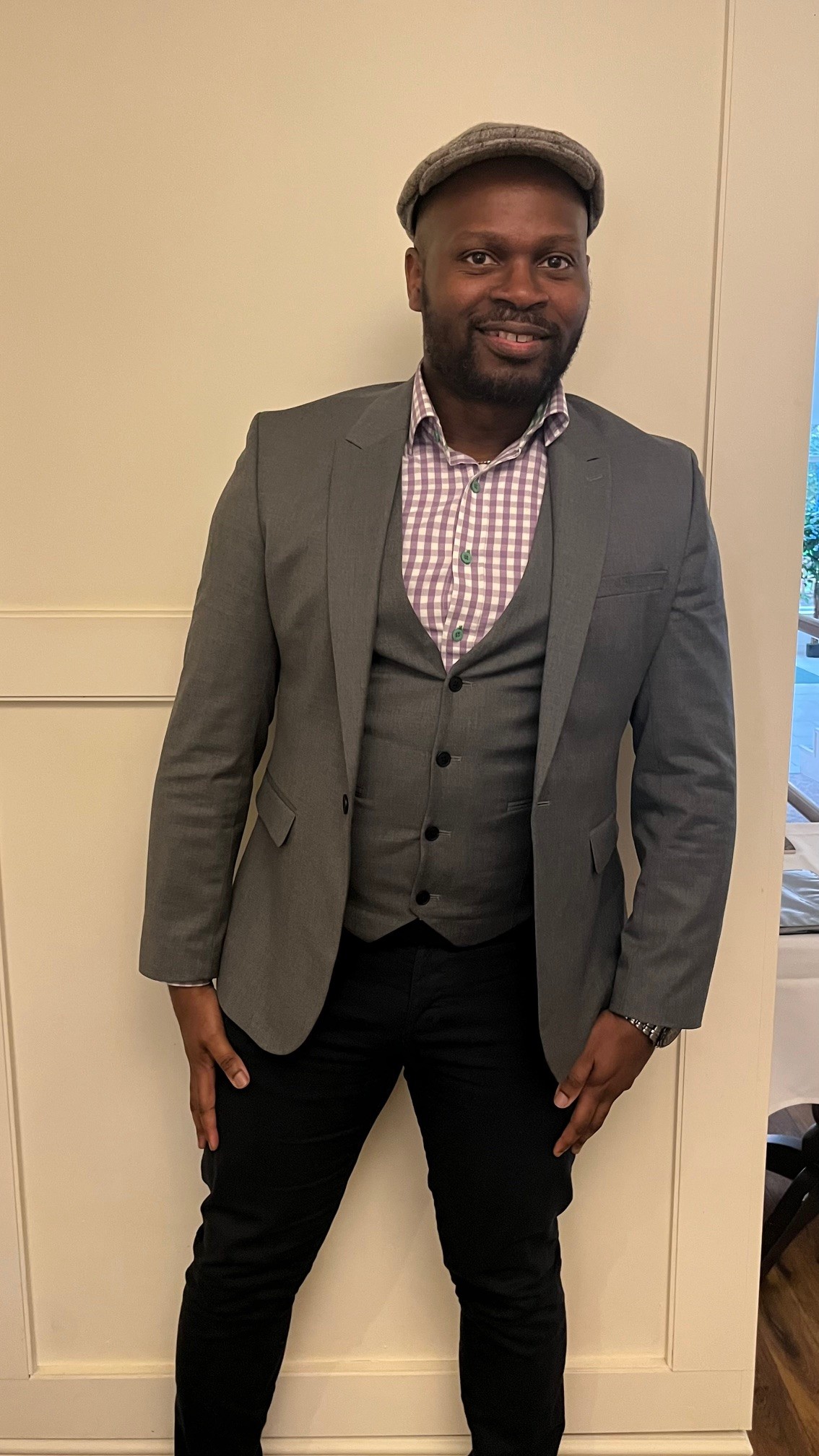
Charles Mong – Systems, Strategy and Sustainable Growth
A Foundation in Systems Thinking
Charles began his professional journey studying Chemical Engineering at the University of Cambridge. While he realised early on that a conventional engineering path wasn’t where he ultimately saw himself, the discipline profoundly shaped how he thinks.
Engineering taught him to see systems: to understand inputs and outputs, inefficiencies and structure, and to look beneath surface-level symptoms to find root causes. That analytical mindset
would later define his approach to business.
Rather than move into traditional engineering, Charles stepped into investment banking, working with UBS, Lehman Brothers and Nomura across mergers and acquisitions and trading. The transition
wasn’t as dramatic as it might appear. In both fields, the core focus remained the same: analysing systems, understanding value, and identifying where improvement was possible.
Whether examining balance sheets or market trends, Charles was always drawn to one central question: how can this be improved?
Building Across Borders
Entrepreneurship eventually pulled Charles away from corporate finance and into building businesses of his own. Following the loss of his father, Charles reconnected more deeply with his Nigerian roots and began operating across West Africa, particularly in Nigeria. What began in commodities trading evolved into production, processing and refining across agriculture, land
acquisition, logistics and international trade.
Working in Nigeria and other African markets brought complexity that cannot be understood from a spreadsheet alone. Infrastructure, regulation, logistics and cultural nuance all required practical problem-solving. Capital alone was never enough. Success depended on resilience, adaptability and operational clarity.
Not every venture succeeded. Some were difficult and costly lessons. But each experience strengthened his understanding of why businesses truly succeed – and why they fail. Often, it wasn’t the idea that was flawed. It was the model. The system. The process. That perspective now shapes how he works with founders today.
Strategy Before Tools
Today, Charles operates at the intersection of strategy and technology, helping businesses improve performance through stronger operational systems.
His approach is consistent and disciplined: understand the structure first, then apply technology where it genuinely enhances performance. He is cautious of trends that prioritise tools over thinking. In his view, technology should strengthen a well-designed system, not compensate for a weak one.
Much of his work focuses on improving conversion, tightening operational processes and eliminating inefficiencies. Sometimes growth does not require more traffic or more funding. Sometimes it requires fixing the leak in the pipeline that already exists.
It is a pragmatic, commercially sharp approach rooted in experience rather than theory.
Why The Investment Room
Charles knows what it feels like to build without immediate access to experienced guidance. There were moments in his journey when a single conversation could have prevented costly mistakes or accelerated progress significantly. That experience is what draws him to The Investment Room. He believes founders often focus first on capital, when what they need most is clarity, structure and perspective. Funding is important, but sustainable growth depends on strong systems and sound
decision-making.
For him, Milton Keynes and the wider MK postcode area holds enormous potential. It is innovative and ambitious yet can feel fragmented when founders are trying to identify their next step. Support exists, but it is often scattered.
The Investment Room, in his view, brings structure to that landscape connecting capital, experience and networks in one place so founders can access cohesive, practical support.
Charles brings engineering logic, international commercial experience and calm strategic clarity to the collective. His focus is simple: better systems, stronger models, and founders who do not have to navigate growth alone.
